
7 Biggest Fears About Building a Custom Home in Central Texas
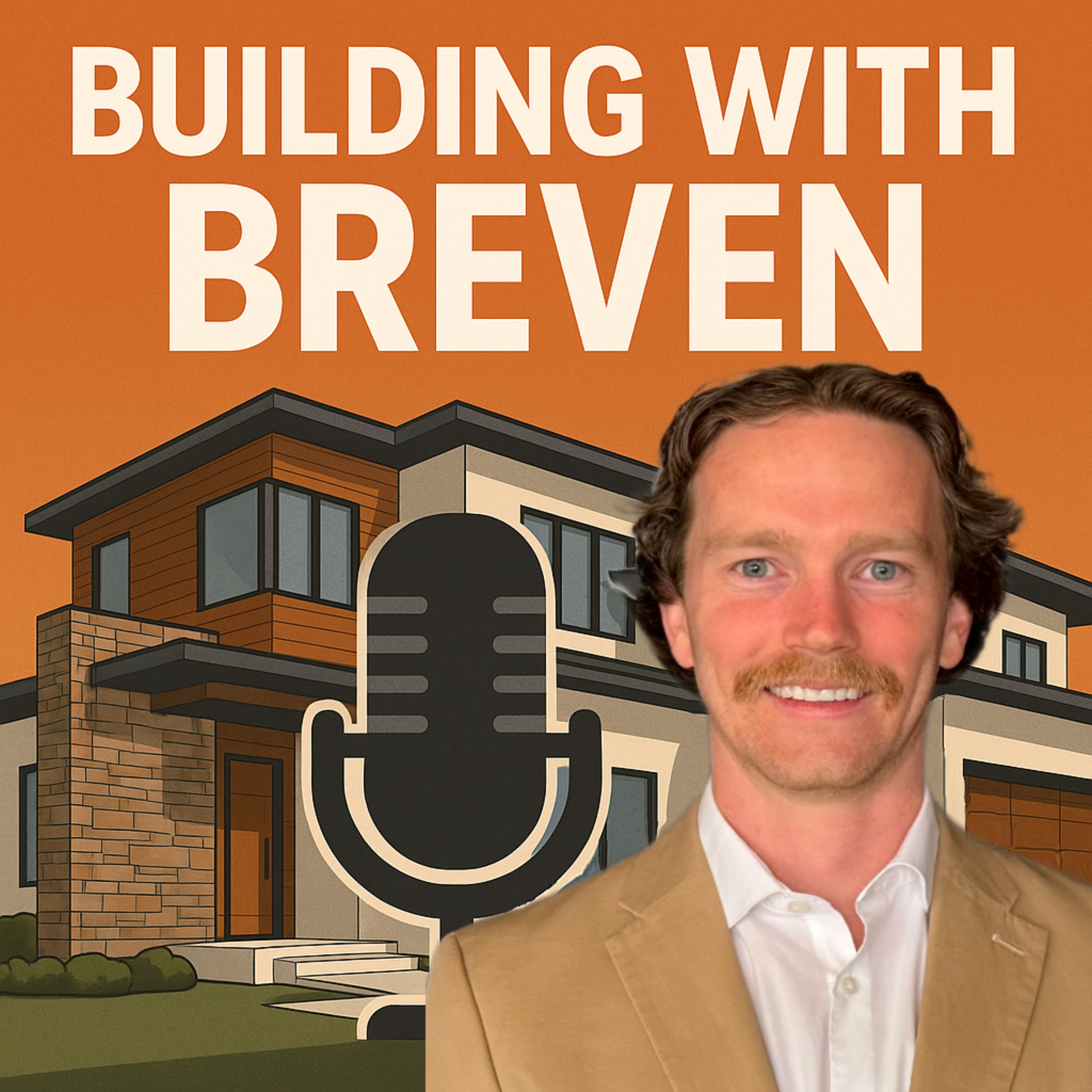
Building a custom home can feel intimidating, especially when you've heard stories about projects going over budget, taking too long, or becoming more stressful than expected. But many of these risks can be reduced through realistic budgeting, careful planning, a clear contract, and choosing the right builder.
For homeowners considering building a custom home in Austin or Central Texas, understanding these concerns before construction begins can help you avoid costly surprises and approach the process with more confidence.
Here are seven of the biggest fears people have before building a custom home — and what you can do about them.
1. Will My Custom Home Go Over Budget?
Budget is one of the biggest concerns homeowners have, and controlling that risk starts before construction.
First, know your actual budget and communicate it clearly with your builder.
If your comfortable maximum is $2 million, for example, your builder needs to understand that target. It helps them guide the home's design, specifications, and selections around what you can realistically invest.
Homeowners also need to prioritize their wants. Premium stone, specialty cabinetry, lighting, appliances, and other luxury selections can quickly increase costs.
Understand Fixed-Price vs. Cost-Plus Contracts
Your construction contract also affects your financial risk.
At Breven Homes, we use fixed-price contracts, where the price is established for an agreed-upon scope, with specific items such as approved change orders or allowances that may alter the final amount.
A cost-plus contract works differently. The homeowner generally pays the actual construction costs plus the builder's agreed-upon fee or markup. Depending on the contract, increases in actual costs may fall to the homeowner.
Before signing, ask:
- What costs are fixed?
- Which costs are allowances?
- What can change the contract price?
- How are change orders approved?
- How will the budget be tracked?
Don't only look at the total contract price. Understand which parts of that number can still change.
2. How Do I Know What My Custom Home Should Really Cost?
There isn't one universal price-per-square-foot that determines what every custom home should cost. Learn more about how builders price custom homes and the factors that influence a builder’s proposal.
Two homes of the same size can have very different prices depending on architecture, materials, cabinetry, site conditions, structural requirements, and finishes.
Start by looking at comparable homes of a similar size and caliber in your area.
If comparable homes are around $2 million and one builder proposes $3 million, that doesn't automatically make the proposal unreasonable. But you should understand why there's a difference.
Maybe the builder is specifying better materials, different construction methods, or a higher finish level.
Perfect apples-to-apples comparisons are difficult because custom builders use different trades, suppliers, materials, and specifications. Instead, compare the major components:
- Scope and specifications
- Materials
- Allowances and exclusions
- Builder fees
- Construction methods
- Project management and warranty
If one proposal is dramatically higher or lower, keep asking questions until you understand why.
The cheapest initial proposal isn't necessarily the least expensive home to build.
3. Will Allowances Cause Unexpected Costs?
Allowances are one of the most important parts of a custom home contract to understand.
An allowance is a budgeted amount for something whose final cost hasn't been established. Some allowances are necessary because certain conditions can't be known beforehand. Others can be reduced through better pre-construction planning.
For example, if your contract includes a $10,000 lighting allowance but the fixtures you're expecting realistically cost $50,000, you've already created a potential $40,000 difference.
Ask your builder: Is this allowance realistic for the home we're actually planning?
A Real Example: A Septic System That Cost More Than $30,000
Mike once consulted with homeowners whose builder had included only a few thousand dollars for a septic system. Based on the property and septic requirements, the allowance didn't appear realistic.
The final septic cost exceeded $30,000, and under their contract, the homeowners were responsible for the difference.
Fortunately, they could absorb the expense. Someone whose construction financing was already near its limit could have been in a difficult position.
Central Texas also has legitimate site unknowns. Excavation conditions can range from softer limestone to much harder rock, affecting labor, equipment, and underground work.
A good builder should price what can reasonably be known beforehand and clearly identify what remains uncertain.
The goal should be to minimize unnecessary allowances, not use them to make an initial proposal look less expensive.
4. How Do I Know I'm Choosing the Right Custom Home Builder?
Your builder affects nearly every other concern on this list: budget, timeline, communication, quality, and your overall experience. Learn more about how to select a custom home builder before making your decision.
Start with reputation and track record.
Online reviews can help, but also speak directly with homeowners who have completed projects with the builder.
Ask:
- How well did they communicate?
- Were costs explained clearly?
- How did they handle problems?
- Did the timeline meet expectations?
- Would you build with them again?
Local Realtors can also be useful because they may have firsthand experience with builders in the area.
Pay attention to how the builder communicates before you hire them. Do they return calls and emails? Can they explain costs clearly? Are they transparent? Do they have established systems for managing projects?
Steven suggests flipping the question: What would the worst builder look like?
Poor communication, unclear pricing, no established track record, bad references, and a lack of transparency are all warning signs.
Then look for a builder who demonstrates the opposite.
5. Will Building a Custom Home Consume My Life?
It shouldn't.
Building custom requires homeowner involvement, but it shouldn't become another full-time job.
As Mike explains, if you hire a builder you trust, you need to let the builder build your home. You shouldn't have to bring a lawn chair to the jobsite every morning to supervise construction.
Challenges will happen. Materials may be delayed. Work may need correcting. A trade might need to return.
The value of an experienced builder isn't that nothing unexpected ever happens. It's their ability to identify problems, communicate them, and find solutions while keeping the project moving.
If you feel you need to personally supervise everything because you don't trust your builder, the larger problem may be who you hired.
6. Will Change Orders Make My Custom Home More Expensive?
Change orders are normal during custom home construction.
Once you walk through a framed home, something you approved on a drawing may feel different in person. You might decide to change a finish, move something, or upgrade a feature.
The key is understanding that the timing and scope of the change affect its cost.
Changing tile before it's ordered is very different from changing the size of a room after framing.
Even smaller changes can involve new materials, restocking fees, additional labor, trade coordination, scheduling, and project-management time.
The best way to reduce unnecessary change orders is to make as many decisions as possible during design and pre-construction.
The more you know about what you want before construction begins, the easier it is to protect your budget and timeline.
7. Will My Custom Home Take Two Years to Build?
One major cause of long construction timelines isn't always the work itself.
It's the downtime between stages.
A well-managed construction schedule should keep the project progressing without unnecessary weeks of inactivity.
That doesn't mean trades need to be onsite every day. Construction naturally ebbs and flows. There may be a quiet day followed by one with several crews working at once.
Weather, material availability, trade shortages, site conditions, and third-party contractors can all create legitimate delays.
The important question is: How does your builder manage those delays?
An experienced builder should understand the project's critical path, schedule trades proactively, and have alternatives where possible when Plan A doesn't work.
Before hiring a builder, ask about their historical construction timelines. Past performance can tell you more than a promised completion date alone.
For more guidance, explore these tips for avoiding unnecessary change orders during your custom home build.
What If I Spend All This Money and Regret My Custom Home?
One advantage of building custom is having input into the architecture, layout, materials, finishes, and details that determine how your home functions.
The key is defining those preferences early.
Before construction, collect inspiration photos, layouts, materials, features you want, and examples of what you don't like.
This helps your builder, architect, and designer understand what you're trying to create.
Mike and Steven note that when they hear about regret, it's often less about the finished home and more about choosing the wrong builder or having a poor building experience.
That brings many of these fears back to the same solution: plan carefully and choose the right team.
How Can You Reduce the Risks Before Building?
Most of these concerns have overlapping solutions.
Know your budget. Be transparent about what you're comfortable investing.
Understand your contract. Know what's fixed, what's an allowance, and what can change.
Make decisions early. More decisions during pre-construction can mean fewer expensive changes later.
Research your builder. Talk to previous clients and evaluate their communication and track record.
Understand the schedule. Ask how your builder manages trades, downtime, and unexpected delays.
A well-planned custom home isn't about eliminating every variable. It's about eliminating as many avoidable surprises as possible.
Learn more about Breven Homes’ custom home building process and how careful planning, clear expectations, and fixed pricing help reduce uncertainty before construction begins.
Who Should You Talk to Before Building a Custom Home?
If you're six to twelve months away from building, Mike's biggest recommendation is to involve a builder earlier than you think you need to.
That doesn't mean signing a construction contract immediately. It means starting the conversation.
An experienced builder can help you evaluate your budget, lot, plans, architect, designer, site conditions, and expectations before you're too far into the process.
This can be especially valuable in Central Texas, where property-specific conditions can affect excavation, septic planning, site development, and construction costs.
The earlier those conversations happen, the easier it can be to identify potential problems before they become expensive.
Building a Custom Home in Central Texas Without the Chaos
Construction will always involve some uncertainty. But going dramatically over budget, constantly questioning your builder, experiencing unnecessary delays, and regretting major decisions shouldn't simply be accepted as part of building custom.
Good planning matters. So do the contract you sign, the decisions you make, and the builder you choose.
At Breven Homes, our goal is custom homes without the chaos — helping homeowners understand the process and make informed decisions before and throughout construction.
If you're considering building a custom home in Austin or Central Texas, starting the conversation early can help determine whether your lot, budget, and vision work together before you make your biggest decisions.
Frequently Asked Questions About Building a Custom Home
How much does it cost to build a custom home in Central Texas?
There's no single price-per-square-foot for custom homes. Two homes of the same size can differ significantly based on architecture, materials, site conditions, and finish level. The most reliable approach is comparing similar homes in your area and understanding what drives any price differences between builder proposals.
What is the difference between a fixed-price and cost-plus contract?
A fixed-price contract sets the cost for an agreed scope, with only approved change orders or allowances able to alter the final figure. A cost-plus contract has the homeowner pay actual construction costs plus the builder's fee, meaning cost increases can fall to the homeowner. Understanding which parts of your contract can change is more important than the headline price.
What is an allowance in a custom home contract?
An allowance is a budgeted amount for an item whose final cost hasn't been confirmed yet, such as lighting or a septic system. If an allowance is set too low, you're responsible for the difference — one septic system in Central Texas exceeded $30,000 against a few-thousand-dollar allowance. Always confirm each allowance is realistic for the home you're actually planning.
How long does it take to build a custom home?
Timelines depend on the home's size, complexity, site conditions, weather, and trade availability. A major cause of long builds isn't the work itself — it's unnecessary downtime between stages. Ask any builder about their historical timelines and how they manage delays, as past performance tells you more than a promised completion date.
Should I talk to a builder before buying land or finalizing plans?
Yes. If you're six to twelve months out, involving a builder early helps you evaluate your lot, budget, plans, and site conditions before decisions become expensive to change. This matters most in Central Texas, where property-specific factors like excavation and septic planning can significantly affect cost.
Have more questions?
Let’s talk. Call us at (512) 866-5268 or email office@brevenhomes.com. Our team is ready to help you build your custom home without the chaos.
If you're considering building a custom home in Lakeway, Austin, or elsewhere in Central Texas, starting the conversation early can help determine whether your lot, budget, and vision work together before you make your biggest decisions. You can also explore more Building With Breven episodes for guidance on planning, budgeting, and the custom home-building process.